
Dental and Tooth Infection Treatment at Reiser Dental
Find relief from dental infection symptoms with Reiser Dental’s comprehensive dental infection treatment options in Denver, CO. Dental infections, whether related to dental implants or other oral issues, can cause discomfort and compromise your oral health. Our expert team offers tailored solutions, including dental infection antibiotics and advanced treatments for dental implant infection. Schedule your consultation with us and take the first step toward a healthier smile.
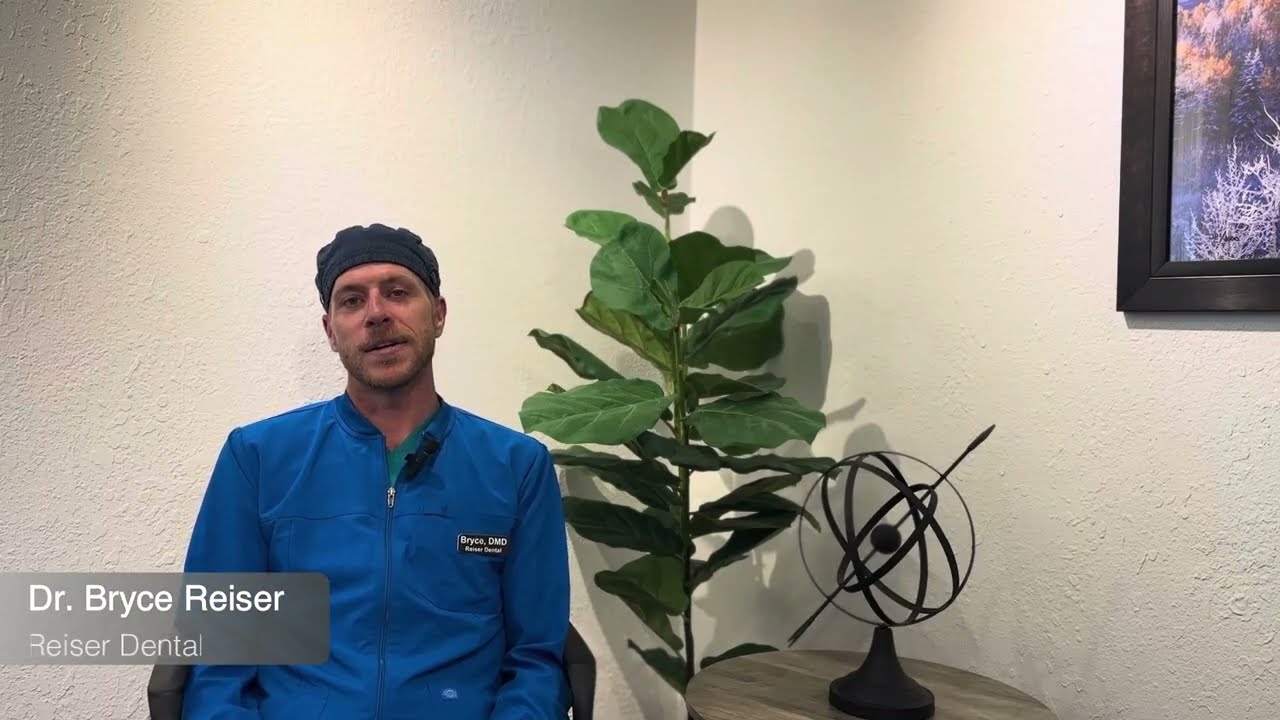
What is a tooth infection and how does it develop?
A tooth infection is the inflammation and infection of your tooth, and it can develop for multiple reasons. Cavities are a big one, fractures are another. Gum health can lead to tooth infections as well. Multiple factors can lead to tooth infections.
What are the most common symptoms of a tooth infection?
There are multiple symptoms that come with tooth infections. One of the most common is tooth pain. If you're experiencing any pain in your mouth, swelling, redness, or anything in your mouth that's not feeling normal or 100% perfect, there's a chance that it could be a tooth infection.
How can a dentist tell the difference between a cavity and an infection?
We use diagnostic imagery and our physical and intraoral exams to determine the difference. Cavities can lead to infections, so they might be the same thing. It might be a cavity that's causing an infection, but normally our x-rays, photos, and exams help us tell the difference.
What are the risks if a tooth infection is left untreated?

There are all kinds of risks. It's the same as any other infection in your body. If you have an infection in your mouth and it's not treated, it can lead to the loss of that tooth. It could lead to the loss of bone around the tooth that it's holding in.
In severe cases, the infection can transfer outside of your mouth to different parts of your body, causing other issues, including heart issues and various other problems throughout your body, just like any other infection.
What are the signs that a tooth infection is spreading to other parts of the body?
Fever, feeling under the weather, tiredness, those are all signs that an infection in your mouth may be spreading to other parts of your body. Headaches are another symptom. There are various symptoms that an infection in your mouth can cause for the rest of your body.
Can a tooth infection really become life-threatening? And how?
It definitely can. Way back in the day before medicine, dental infections were one of the leading causes of death in the human race. How it can happen is that all kinds of blood vessels inside your mouth connect to the rest of your body.
If you have some bacteria and issues with infection inside your mouth, it can enter your bloodstream and be transferred to the rest of your body, where it can cause an infection elsewhere.
What treatment options are available for tooth infection?
It all depends on the type of infection and how severe it is. But in general, if a tooth has an infection, the number one thing we try to do is save it with a root canal. If the infection has reached a point where it cannot be saved, we discuss extracting the tooth.
Do I need an antibiotic prescribed by a dentist for a tooth infection?
We would prefer it to be prescribed by us so we can actually confirm and see what's going on. But if you have a tooth infection and you're seeing your primary care doctor, they can definitely write your prescription too.
Are there natural or home remedies that help with tooth infections and are they safe?
Not really. An infection is an infection. Nine times out of ten, that infection will need some sort of antibiotic or treatment to get rid of it. Most home remedies or things you do at home are just to help with discomfort and keep you comfortable until we can address it.
What are the most common signs of an infected wisdom tooth?
The most common sign is pain or swelling at the back of your mouth. Often, if a wisdom tooth gets inflamed or infected, the soft tissues will expand, and you'll start biting your tissues back there. Pain is usually the main reason you're thinking a wisdom tooth is infected.
How is an infected tooth or wisdom tooth treated and when is extraction necessary?
Treating an infected tooth depends on why it's infected and what's going on. More often than not, if the tooth is infected, there's something going on with it. We can usually save it by addressing the infection with a root canal.
If the infection has progressed to the point where a root canal cannot save it, or there's nothing we can do to address the infection and still save your tooth, that's when we'll start discussing possibly extracting that tooth or wisdom tooth.
What should patients do if they notice swelling in their face or jaw from a possible tooth infection?
First, assess how you're doing and see how bad the infection is. If you're having any trouble breathing, call 911 immediately. There's no reason to wait. Go to the ER to ensure the infection isn't affecting your airway or breathing.
In general, if you suspect an infection, pain, or discomfort, the best thing you can do is call us at Reiser Dental. We can take a look and address the issue as quickly as possible to ensure the infection isn't spreading or causing any other issues in your body.
What Is Dental Infection Control?
Dental infection control refers to the set of practices and protocols implemented by dental professionals to prevent the transmission of infectious diseases in the dental setting. This includes rigorous sanitation and sterilization procedures for dental instruments and equipment and strict adherence to infection control guidelines established by regulatory bodies such as the Centers for Disease Control and Prevention (CDC) and the Occupational Safety and Health Administration (OSHA). Additionally, dental infection control involves the use of personal protective equipment (PPE) such as gloves, masks, and protective eyewear to minimize the risk of exposure to pathogens for both patients and dental staff.
A Dental Clinic with an Infection Control Plan
As a leading dental clinic, we prioritize patient safety through the implementation of a robust infection control plan. Our comprehensive protocols cover every aspect of infection prevention, from stringent cleaning and sterilization procedures for dental instruments to regular monitoring of water quality in our dental unit waterlines. By maintaining a proactive approach to infection control, we create a safe and hygienic environment for our patients to receive quality dental care confidently.
If you’re looking for dental care you can trust, call us at (720) 797-5554 or email [email protected]. We’re here to help you have the smile you've always wanted!