
As a parent, you know that establishing good oral hygiene habits early is crucial for your child’s long-term dental health. However, getting children excited about brushing their teeth and caring for their oral health can be quite a challenge. As dental professionals, we understand and are here to help! In this article, we’ll explore fun ways to teach kids about dental hygiene and make it an enjoyable part of their routine rather than a chore.
Starting Early: Dental Care for Infants and Toddlers
The journey to excellent oral health begins even before the first tooth appears. For infants, parents can gently wipe the gums with a soft, damp cloth after feedings. This cleans the mouth and gets the baby accustomed to having their mouth cleaned.
When the first tooth emerges, typically around four to seven months of age, it’s time to introduce a small, soft-bristled toothbrush. At this stage, use only a tiny amount of fluoride toothpaste—about the size of a grain of rice. As children grow and learn to spit, usually around age 3, increase the amount to a pea-sized drop.
Making brushing a part of the daily routine is the key to instilling good oral hygiene habits in toddlers. Try incorporating it into your morning and bedtime rituals, and make it fun by singing a special toothbrushing song or telling a short story while brushing. This helps create positive associations with oral care from an early age.
Creative Approaches to Make Brushing Fun for Young Children
As children grow, keeping them excited about taking care of their teeth becomes even more important. One simple and effective approach is to let them pick out their own toothbrush. Many brands offer bright colors and favorite cartoon characters, which can make brushing feel more enjoyable.
You can also turn brushing into a fun activity. Try pretending the toothbrush is a train visiting different “stations” in the mouth, or challenge your child to brush in circles while you count to ten for each section. These playful ideas can turn a routine task into something your child actually looks forward to.
Technology can help as well. There are many kid-friendly apps designed to make brushing interactive. Some include animated timers, while others give rewards for brushing regularly. Smart toothbrushes that connect to these apps can even offer real-time feedback, turning everyday oral care into a fun, game-like experience.
Parents as Oral Hygiene Role Models
Children often learn best by example, and oral hygiene is no exception. When parents demonstrate proper brushing techniques and maintain their own oral health routines, children are more likely to follow suit. Try making brushing a family activity. Brush together in the morning and before bed to show your kids that oral care is important for everyone.
Remember to praise your children’s efforts and celebrate their commitment to oral health. Small rewards, like stickers on a brushing chart, provide positive reinforcement and motivation.
Beyond Brushing: Comprehensive Oral Care for Kids
While brushing is the cornerstone of good oral hygiene, teaching children about comprehensive dental care is important. Flossing, for example, is crucial for removing food particles and plaque stuck between their teeth where a toothbrush can’t reach. Make flossing fun by using colorful floss picks or creating a game where you “fish” for plaque between teeth.
Diet impacts dental health, as well. Teach children about tooth-friendly foods like crunchy fruits and vegetables, which help clean teeth naturally. Explain how sugary and acidic foods can harm teeth, and encourage healthy snacking habits.
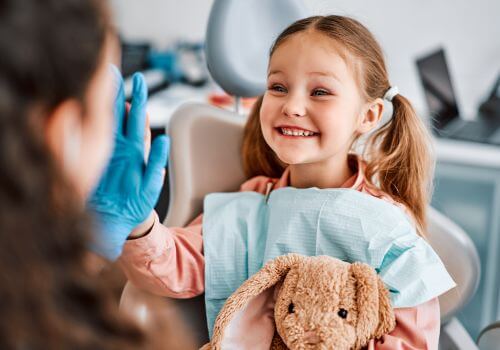
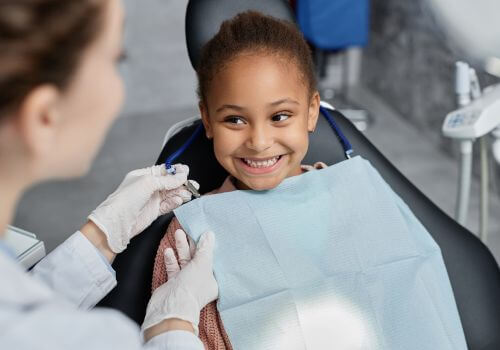
Regular dental check-ups are also essential. Familiarize your child with the idea of visiting the dentist early on. Many pediatric dental offices are designed with kids in mind and feature colorful decor and fun distractions. Make visiting the dentist fun when your child is young, and they’re less likely to develop fear or aversion to dental care.
Addressing Common Challenges
Even with consistent routines, children may sometimes resist brushing or feel anxious about visiting the dentist. If your child pushes back on brushing, try to understand what might be causing the discomfort. The toothpaste may taste too strong, or the toothbrush may feel rough. Addressing these small issues often helps resolve the problem.
For children who feel nervous about dental appointments, preparation can make a big difference. Reading books about dental visits or watching kid-friendly videos that explain what happens during a check-up can help ease fears. Many children are simply afraid of the unknown, so making the process familiar can be very reassuring.
Some children also develop habits such as thumb-sucking or extended pacifier use, which can impact the way their teeth grow. Gentle reminders and positive encouragement when they avoid the habit can be helpful. If the behavior continues, consider speaking with your child’s dentist or pediatrician for additional guidance.
Educational Resources and Tools
Fortunately, numerous resources are available to help educate children about oral health. Many children’s books tackle the subject of dental hygiene in fun, accessible ways. Videos featuring favorite characters discussing the importance of brushing can also be impactful.
Interactive learning materials, such as tooth models or play dental kits, teach kids more about their teeth and how to care for them. In addition, some dental offices and community health centers offer educational programs for kids and families.
The Long-Term Benefits of Good Oral Hygiene
As dental professionals, we understand that the benefits of good oral hygiene extend far beyond a bright smile. Proper dental care prevents cavities, gum disease, and other oral health problems that affect overall physical health. Moreover, a healthy smile boosts self-confidence and contributes to emotional well-being.
By establishing good habits early, you can set your child up for a lifetime of good oral health. The routines and knowledge they develop now will serve them well into adulthood, potentially saving them from painful and costly dental procedures later in life.
Conclusion
Teaching children about dental hygiene doesn’t have to be a chore. Incorporating fun, creativity, and positive reinforcement into oral care routines can help your kids develop lifelong habits that will benefit their well-being. As dental professionals, our role extends beyond the clinic. We have the opportunity to empower parents and caregivers with the tools and knowledge to make dental hygiene an enjoyable part of family life.
Every smile tells a story. By helping your children develop good oral hygiene from a young age, you’re helping to ensure that their stories are filled with healthy, confident smiles for years to come!